
Introduction
Creating a unique and memorable brand identity is crucial for standing out in a crowded marketplace. Your brand identity is more than just a logo—it’s the visual, emotional, and conceptual representation of your business. A well-crafted brand identity helps customers recognize your brand, builds trust, and fosters long-term loyalty.
In this article, we’ll explore the key elements of brand identity and how to develop a compelling and consistent brand that resonates with your audience.
Understanding Brand Identity
Brand identity is the collection of visual and non-visual elements that define how a brand presents itself to the world. It includes everything from logos, colors, and typography to brand voice, messaging, and customer experience.
A strong brand identity helps:
- Establish credibility and professionalism.
- Differentiate a business from competitors.
- Create an emotional connection with customers.
- Ensure consistency across all marketing channels.
Companies like Apple, Coca-Cola, and Nike have mastered brand identity by creating instantly recognizable visuals and messaging that align with their brand values.
The Role of Brand Personality
Your brand personality defines the character and emotional tone of your business. Just like people, brands can be friendly, luxurious, innovative, or playful. A well-defined brand personality makes it easier for customers to relate to your brand.
To determine your brand personality, ask yourself:
- What are my brand’s core values?
- How do I want customers to feel when they interact with my brand?
- What adjectives best describe my brand (e.g., bold, elegant, energetic)?
For example:
- Nike: Motivational, athletic, bold.
- Coca-Cola: Happy, nostalgic, refreshing.
- Apple: Innovative, sophisticated, minimalist.
Once you define your brand personality, ensure that all brand elements—visuals, messaging, and customer interactions—reflect that personality consistently.
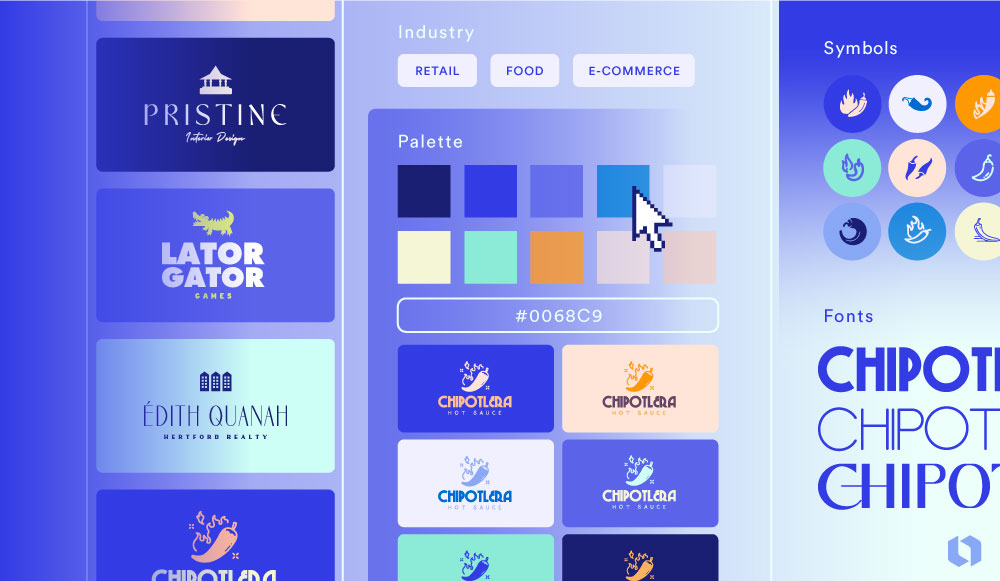
Choosing the Right Brand Colors and Typography
Colors and typography play a significant role in brand recognition. Different colors evoke different emotions, and typography sets the tone for your brand’s communication.
Color Psychology in Branding
- Red: Passion, energy, excitement (e.g., Coca-Cola, Netflix).
- Blue: Trust, professionalism, stability (e.g., Facebook, IBM).
- Yellow: Optimism, happiness, creativity (e.g., McDonald’s, IKEA).
- Green: Growth, health, nature (e.g., Starbucks, Whole Foods).
Choose a color palette that aligns with your brand’s personality and use it consistently across your logo, website, packaging, and marketing materials.
Typography and Brand Identity
Fonts communicate a brand’s tone and personality. Some common font styles include:
- Serif fonts (e.g., Times New Roman, Georgia) – Traditional, trustworthy.
- Sans-serif fonts (e.g., Arial, Helvetica) – Modern, clean, simple.
- Script fonts (e.g., Pacifico, Brush Script) – Elegant, creative.
Choose fonts that enhance readability while maintaining your brand’s personality.
Developing a Consistent Brand Voice
A brand voice is how a company communicates with its audience through words and tone. Whether formal, casual, humorous, or authoritative, maintaining a consistent brand voice helps customers connect with your brand.
Examples of Brand Voice:
- Wendy’s (Playful, witty): Their Twitter account is known for humorous and bold interactions.
- Apple (Minimalist, sophisticated): Their messaging is simple yet impactful.
- Nike (Inspirational, empowering): Their tagline “Just Do It” reflects motivation.
To develop a strong brand voice:
- Define your brand’s tone (e.g., friendly, informative, professional).
- Use consistent language and messaging across all platforms.
- Align your brand voice with your target audience’s expectations.
Creating a Strong Brand Logo and Design Elements
A logo is the face of a brand and the most recognizable element of brand identity. A well-designed logo should be:
- Simple – Easy to recognize and remember.
- Unique – Stand out from competitors.
- Versatile – Work across different media (digital, print, packaging).
- Timeless – Avoid trends that may quickly become outdated.
Design Elements to Consider:
- Icon or Symbol: Represents the brand visually (e.g., Apple’s bitten apple, Nike’s swoosh).
- Typography-Based Logo: Uses custom fonts (e.g., Coca-Cola’s script logo).
- Combination Mark: Mixes icons and text (e.g., Adidas).
Once designed, your logo and other visual elements should be consistently applied to websites, social media, advertisements, and product packaging.
Brand Storytelling: Connecting with Your Audience
Storytelling humanizes a brand, making it more relatable and memorable. A compelling brand story should highlight:
- The Problem: What issue does your brand solve?
- The Journey: How was your brand created?
- The Mission: What values drive your brand?
- The Impact: How does your brand improve customers’ lives?
Example:
Tesla’s brand story focuses on innovation, sustainability, and transforming the automotive industry with electric vehicles. This narrative resonates with environmentally conscious consumers.
How to Maintain Brand Consistency
Brand consistency strengthens recognition and trust. Businesses should:
- Develop brand guidelines that outline logo usage, colors, fonts, and messaging style.
- Ensure all marketing materials reflect the brand identity.
- Train employees to communicate the brand message consistently.
- Regularly review branding efforts to ensure alignment with business goals.
Rebranding: When and How to Do It Right
Rebranding is necessary when a brand outgrows its identity, enters a new market, or faces reputation challenges. A successful rebrand includes:
- Researching customer expectations.
- Updating visuals and messaging without losing brand essence.
- Communicating changes to customers clearly.
Example:
Instagram rebranded from a vintage camera logo to a sleek, modern gradient icon, reflecting its evolution into a leading visual platform.
Conclusion
A strong brand identity is essential for creating a lasting impression, building customer trust, and ensuring business success. By carefully designing your brand’s visuals, voice, and storytelling, you can establish a brand that resonates with your audience and stands out in the competitive market.
Invest time in crafting a unique brand identity, maintain consistency across all channels, and evolve when necessary to keep your brand fresh and relevant.
FAQs
1. What is the difference between brand identity and brand image?
Brand identity is how a company presents itself, while brand image is how customers perceive the brand.
2. Can small businesses benefit from a strong brand identity?
Yes! A well-defined brand identity helps small businesses gain recognition, trust, and a competitive edge.
3. How often should a company update its brand identity?
It depends on market trends, business growth, and audience feedback. Some brands update every 5–10 years, while others evolve gradually.
4. What are some tools for designing a brand identity?
Adobe Illustrator, Canva, Figma, and online branding tools like Looka and Hatchful can help design brand visuals.
5. How do I ensure my brand identity remains consistent?
Create brand guidelines, train your team, and regularly audit marketing materials to ensure consistency.